Bifold Doors vs. Sliding Doors: Which Is Right for Your Home?
In the matter of deciding between bifold doors and sliding doors, homeowners face a pivotal decision. Both options offer unique benefits designed for different needs. Bifold doors create a seamless change connecting indoor and outdoor areas, whereas sliding doors offer a streamlined, space-conscious alternative. Grasping the distinctions of each choice can significantly influence the look and practicality of your home. Which option will ultimately improve your home's aesthetics and usability? You might be surprised by the result.
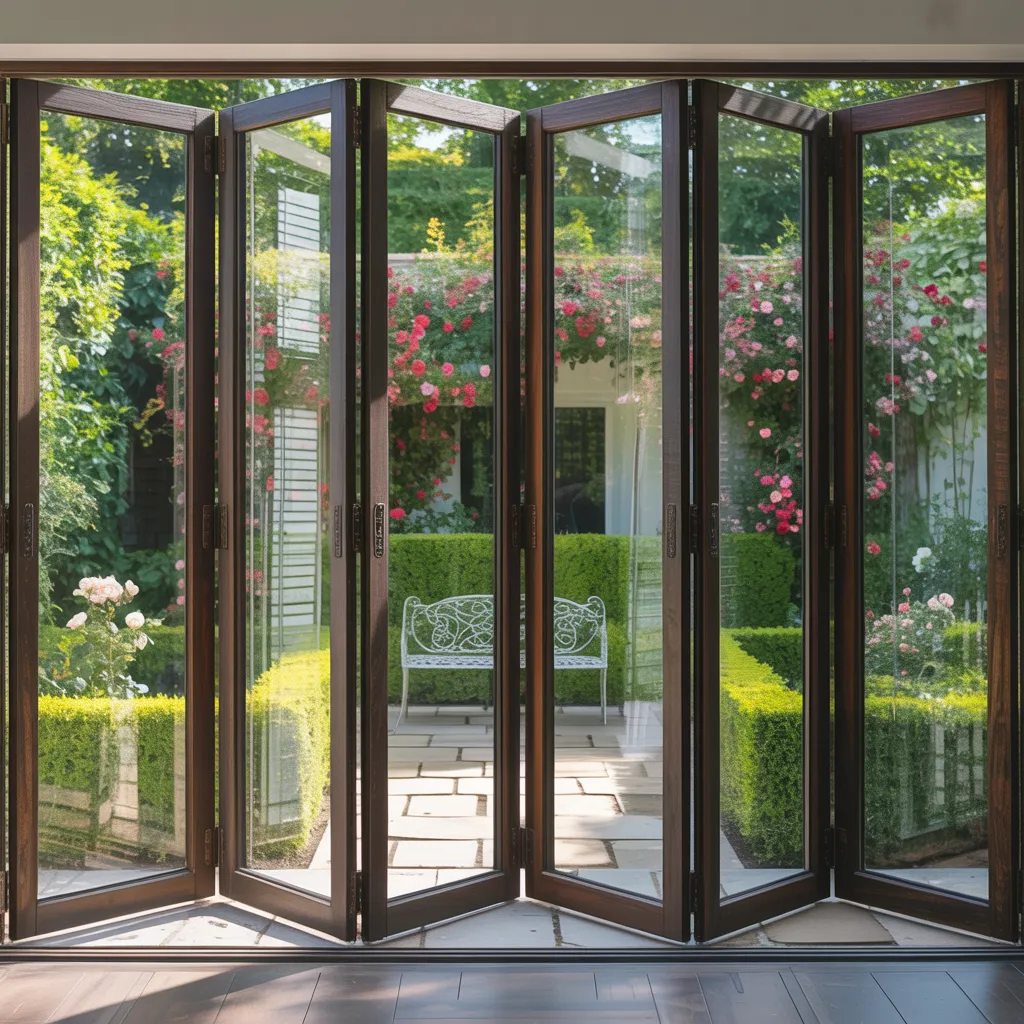
Bifold vs. Sliding Doors: Which Is Right for Your Space?
When selecting between bifold and sliding doors, what factors should one consider for best functionality and aesthetic appeal? Space availability is essential; bifold doors require more room to swing open, making them a perfect choice for bigger spaces. By comparison, sliding doors travel along a dedicated track, needing minimal space, which makes them advantageous for more compact spaces.
The architectural style of the home also plays an important role. Bifold doors tend to deliver a more modern aesthetic, thanks to their capacity to form expansive openings, boosting the connection between interior and exterior areas. In contrast, sliding doors offer a clean, minimalist look that complements contemporary designs.
Durability and maintenance are additional considerations. Bifold doors often consist of more moving components, which can result in greater wear as time passes. Meanwhile, sliding doors typically have fewer components, which can simplify upkeep. In the end, the decision between bifold and sliding doors depends on personal requirements, preferences, and the unique attributes of the space involved.
Key Benefits of Bifold Doors
Bifold doors deliver notable advantages for today's living spaces, particularly in their space-conscious design. By folding compactly to one side, they generate an open setting that optimizes available space. Additionally, their expansive glass panels improve natural light penetration, lightening interior spaces and creating a seamless link with the outdoors.
Space-Efficient Design Benefit
Since homeowners are always searching for ways to optimize their living areas, bifold doors present a compelling solution. Their innovative construction permits multiple panels to collapse neatly together, creating an expansive opening without the need for a large swing radius. This feature proves especially beneficial in compact spaces where conventional doors might restrict movement or reduce available area. Bifold doors effortlessly bridge indoor and outdoor spaces, improving the home's overall flow while offering versatility in design arrangements. Furthermore, they are available in a range of widths and heights, rendering them appropriate for virtually any space. Overall, bifold doors not only save space but also offer an efficient way to enhance both functionality and aesthetics in residential settings.
Increased Natural Light Access
As homeowners aim to increase natural light in their living areas, bifold doors prove to be an ideal solution for enhancing natural light access. Compared to standard sliding doors, which usually incorporate one stationary panel, bifold doors consist of numerous panels that collapse together, producing an expansive opening. This design maximizes the flow of natural light, brightening interior spaces with greater efficiency. The wide glass panels enable sunlight to reach further into living spaces, minimizing reliance on artificial lighting throughout the day. Furthermore, when fully opened, bifold doors establish a fluid transition between interior and exterior areas, additionally increasing the overall luminosity of the home. This capacity to welcome natural light not only enhances the visual appeal but also cultivates a warmer atmosphere.
Why Sliding Doors Could Be the Perfect Option for You?
When exploring ways to maximize space and visual appeal, sliding doors frequently emerge as an excellent option for numerous homeowners. Their sleek design allows for seamless integration between interior and exterior spaces, improving the overall movement within a home. Compared to standard copyrightd doors, sliding doors eliminate the need for additional clearance to operate, making them especially beneficial in compact spaces.
Additionally, sliding doors may be personalized with a variety of materials and finishes, making sure they match any style of architecture. They likewise present generous glass surfaces, delivering unobstructed views and ample natural lighting, which is able to establish a more appealing environment.
From a functional standpoint, sliding doors are commonly easier to handle, demanding little effort to open and close. This ease of use, paired with their visual appeal, positions sliding doors as a compelling option for those looking to enhance both the functionality and beauty of their living spaces.
Space Efficiency Comparison: Bifold vs. Sliding
Sliding doors excel in conserving space, but bifold doors provide a compelling option for homeowners looking to create wider openings. Sliding doors operate on a track, allowing one panel to glide past another, requiring minimal floor space when open. This feature makes them well suited for compact spaces where saving space is a priority.
In contrast, bifold doors are made up of multiple panels that fold back on each other. When fully extended, they form a more expansive passageway, which can improve the connection between indoor and outdoor living areas. However, this setup requires more floor space to allow for the folding movement, which may be an important factor in limited areas.
When everything is taken into account, the ultimate choice between bifold and sliding doors copyrights on the individual preferences of the property owner. Individuals seeking open sightlines and broader entryways are likely to favor a bifold door configuration, while people who require fluid operation in smaller layouts are likely to find sliding doors a better fit for their home.
Comparing Costs: Bifold Doors vs. Sliding Doors
Cost remains a key consideration for households exploring sliding or bifold doors, with both options offering distinct financial implications. Typically, bifold doors usually come at a higher cost because of their complex mechanisms and the need for high-quality materials to ensure seamless functionality. Fitting costs can be elevated as well, demanding qualified tradespeople for exact fitting.
On the other hand, sliding doors frequently carry a reduced cost, making them a financially accessible alternative. The straightforward construction generally leads to reduced installation costs. However, homeowners should consider ongoing financial considerations, such as thermal performance and the need for replacements or repairs.
When all is considered, while bifold doors offer a aesthetically pleasing and flexible solution, sliding doors might represent a more economical choice upfront. Considering both starting costs and future financial implications is crucial for homeowners to come to a thoughtful determination suited to their budget and preferences.
Durability and Maintenance: Which Option Has a Longer Lifespan?
Upkeep and longevity are important factors for homeowners evaluating bifold and sliding doors. Bifold doors, typically made from wood or aluminum, require consistent care to minimize damage on copyrights and tracks. Homeowners must guarantee the mechanisms are adequately greased and check for any signs of deterioration or wear, particularly in wooden models. On the other hand, sliding doors typically feature a simpler design with minimal mechanical elements, which can lead to lower maintenance needs. However, the tracks can collect grime and particles, requiring regular cleaning to maintain smooth operation.
When it comes to durability, both door types can last many years if properly maintained. Bifold doors are often more prone to the effects of environmental exposure, while sliding doors tend to deliver reliable protection against the elements. Ultimately, the choice between bifold and sliding doors should consider individual lifestyle, maintenance preferences, and the specific material used in the door's construction.

Answers to Your Most Common Questions
How Can Bifold and Sliding Doors Influence Your Home's Energy Efficiency?
Bifold doors typically enhance energy efficiency by delivering improved insulation and decreased air infiltration, while sliding doors can lead to greater heat loss because of their wider openings. In general, bifold doors frequently deliver exceptional thermal performance.
Am I Able to Install Bifold or Sliding Doors by Myself?
Fitting bifold and sliding doors independently is feasible for those with DIY skills. Nevertheless, exact measurements, the right tools, and following installation guidelines are crucial to ensure proper functionality and preserve related resource energy efficiency in the household.
Which Materials Work Best for These Door Styles?
For bifold doors, premium wood or aluminum materials are suggested because of their durability and visual appeal. Sliding doors typically perform best with aluminum or vinyl frame options, delivering protection against the elements and low-maintenance convenience while maintaining effortless performance.
How Can I Decide Between Glass or Solid Panels?
Choosing between glass or solid panels depends on aesthetic preferences, natural light, and privacy needs. Glass panels promote openness and brightness, while solid panels provide insulation and soundproofing, addressing different preferences and functional needs in a home.
Bifold or Sliding Doors: Which Is the Better Choice for Small Spaces?
Bifold doors are generally better for small spaces, as they fold back completely and create a seamless transition between the interior and exterior. Sliding door systems, while economical with space, fail to deliver the same expansive opening as bifold door solutions.